What Makes a River Dredger the Best Choice for Your Waterway Project?
This comprehensive guide explores the essential aspects of a professional River Dredger – including what it is, why it's indispensable for dredging projects, practical features, performance comparison, and how to choose a reliable manufacturer like Jin Meng. You will also find a comparison table, maintenance tips, environmental considerations, and an FAQ section to guide your decision-making.
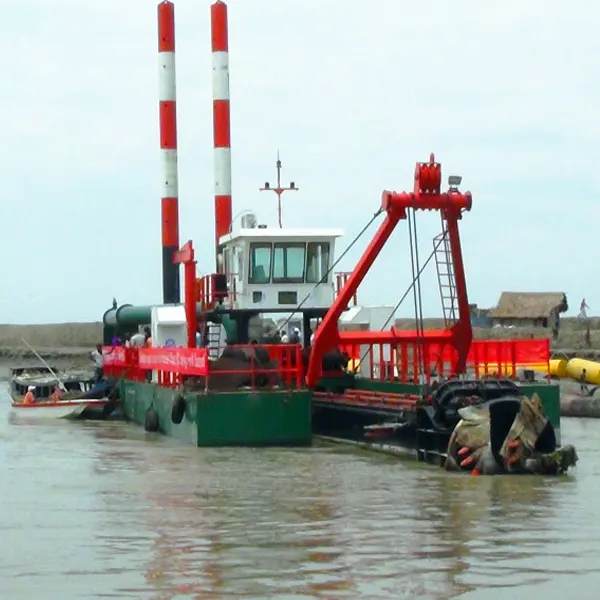
1. What Is a River Dredger?
A River Dredger is specialized hydraulic equipment designed for dredging sediment, sand, silt, and other materials from river beds, canals, and inland waterways. It performs excavation under water and transports the dredged material for disposal or reuse. These machines are critical in maintaining water depth, improving navigation, and managing sediment buildup in waterways.
The design and construction of this equipment requires expertise in engineering, marine structure, and hydraulic systems. For instance, the Jin Meng River Dredger models use a dismantle type cutter suction structure for efficient dredging and easy transportation to remote sites.
2. Why Use a River Dredger?
Projects that require dredging include river deepening, silting removal, flood prevention, and sand extraction. Using a dedicated River Dredger offers significant benefits:
-
Efficiency: Designed to remove sediment continuously with high throughput.
-
Versatility: Handles a variety of soil types such as clay, silt, and coarse sand.
-
Mobility: Modular and dismantle designs allow transportation by road, rail, or sea.
-
Customizability: Options for self‑propelled or non‑self‑propelled configurations.
3. Key Components of a River Dredger
The performance of a River Dredger depends on several integrated systems:
-
Main Hull/Pontoons: Provides flotation and stability.
-
Cutter Head: Cuts and breaks soil or sediment.
-
Dredge Pump: Suctions and transports slurry.
-
Engine & Power System: Typically diesel or electric driven.
-
Control & Navigation Systems: PLC or manual control for precise operation.
Top manufacturers like Jin Meng design these components for durability, easy maintenance, and reliable performance.
4. Important Features to Consider
When selecting a River Dredger, pay attention to:
-
Dredging Depth: Maximum operational depth, which varies by model.
-
Discharge Distance: How far slurry can be transported.
-
Power & Engine: Engine capacity and efficiency.
-
Transportability: Whether the dredger can be disassembled for shipment.
For example, many Jin Meng River Dredger machines feature a modular hull with pontoons that can be dismantled and assembled on site.
5. River Dredger Performance Comparison
|
Feature
|
Standard River Dredger
|
Advanced Model (e.g., Jin Meng)
|
|
Dredging Depth
|
8–12 m
|
Up to 18+ m
|
|
Discharge Capacity
|
400–900 m³/h
|
900–1100 m³/h+
|
|
Transportability
|
Rigid Hull
|
Modular, Easy Dismantle
|
|
Power System
|
Basic Diesel
|
High‑Efficiency Cummins
|
|
Control System
|
Manual
|
PLC or Hybrid
|
The comparison shows that advanced units like those supplied by Jin Meng integrate higher dredging capacity, better transportability, and modern control systems for performance and ROI advantages.
6. Environmental & Safety Considerations
While dredging helps maintain waterways, it’s important to consider ecological impacts such as suspended sediment increase, aquatic life disturbance, and disposal of dredged materials. Proper planning, monitoring, and modern equipment features (e.g., precision controls, minimized disturbance cutters) reduce environmental risk. Effective project management also prioritizes safety protocols and environmental protection practices throughout operations. (See general industry insights on dredging impact.)
7. Maintenance and After‑Sales Support
Reliable dredger operation depends on regular maintenance of hydraulic systems, engines, cutter heads, and control units. Manufacturers with dedicated after‑sales departments, training support, and spare parts supply—such as Jin Meng—ensure long‑term performance and uptime.
8. Frequently Asked Questions
Q: How deep can a typical River Dredger dredge?
A: Dredging depth varies by model but deep dredgers can exceed 18 m depths depending on engine power and pump capacity.
Q: Can a dredger be transported easily?
A: Yes — modular and dismantle hulls allow transportation by road, rail, or sea.
Q: What type of engine is preferred?
A: Diesel engines from reputable brands such as Cummins offer durability, lower fuel consumption, and easier maintenance.
Q: Do companies offer training and installation support?
A: Many manufacturers including Jin Meng provide on‑site assembly guidance and operator training.
9. Conclusion & Next Steps
Choosing the right River Dredger impacts project success, cost‑effectiveness, and operational uptime. Advanced models — especially from established brands like Jin Meng — balance performance, transportability, and service support to meet diverse dredging needs. Ready to evaluate options or get a custom solution?
Contact Us today for personalized consultation, technical specifications, and pricing to advance your next dredging project with confidence.
 English
 Español
  Português
  русский
  Français
  日本語
日本語  العربية
  Indonesia
  Latine
  Deutsch
  tiếng Việt
  Italiano
  Nederlands
  ภาษาไทย
  Polski
  한국어
한국어  Svenska
  magyar
  Malay
Malay  বাংলা ভাষার